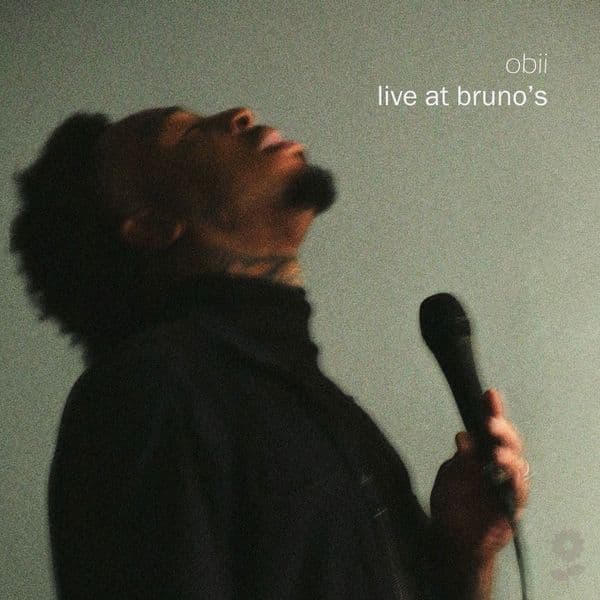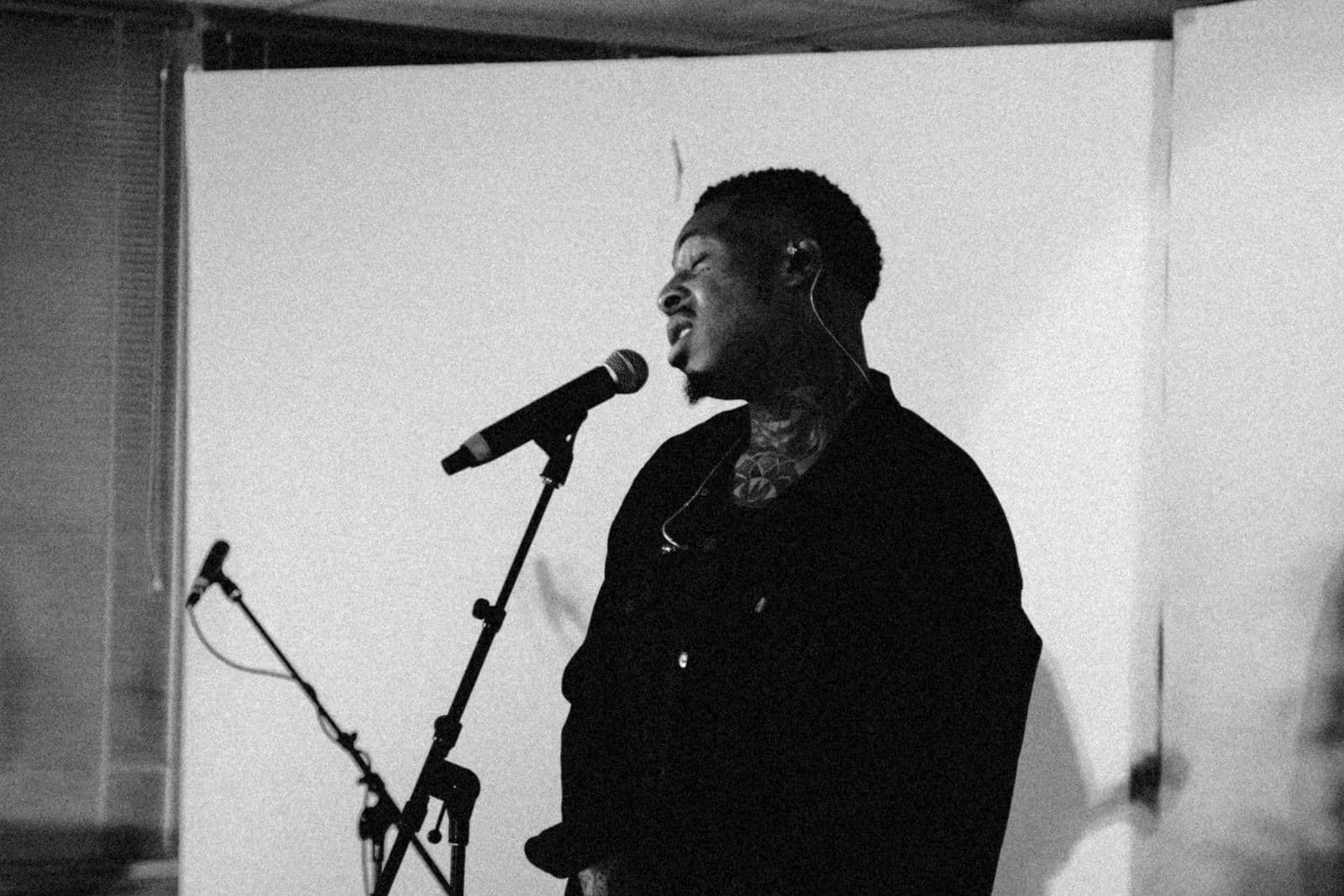

In a culture driven by virality and instant success, singer-songwriter Obii is moving at a different pace. His career, shaped by reflection rather than spectacle, tells a quieter but more enduring story—one rooted in emotional honesty, cultural inheritance, and the ongoing work of self-acceptance.
In a wide-ranging conversation on Indian Censored, Obii traces the long arc of his artistic life, from a childhood moment of awe to a present-day commitment to healing, education, and advocacy. What emerges is not simply an artist profile, but a portrait of growth—personal, creative, and spiritual.
A Moment That Changed Everything
Obii still remembers the first concert he attended as a child. The details of the performers have faded, but the feeling has not.
Watching a room full of strangers move together—smiling, singing, lifted by sound—he felt something he couldn't yet name.
"I don't know what this is," he recalls, "but this feels good. And I want to do something like that."
That moment planted the seed of a lifelong pursuit: not fame, but connection. Music, for Obii, became a way to create emotional bridges between people who might otherwise never meet.
A Home Shaped by Sound
Raised in a household that blended Italian and Nigerian heritage, Obii grew up surrounded by music that crossed borders and generations. His mother gravitated toward vocal powerhouses—Whitney Houston, Mariah Carey—while his father immersed the home in the soul records of the 1960s and '70s.
The result was an early education in feeling as much as form.
"The sound for me was the vocals," Obii says.
The voice, he learned, was not just an instrument, but a vessel for truth. That philosophy continues to define his work, which resists easy categorization but remains anchored in emotional clarity.
From Performance to Expression
Early in his career, Obii focused on mastery—control, range, technical precision. But over time, that approach began to feel incomplete.
Studying artists like Nina Simone and Billie Holiday, he came to understand that the most lasting music does more than impress. It communicates something raw and human.
"I want to convey an emotion," Obii explains. "Feel an emotion, send that emotion to the public, they feel it, they send it back to you."
That exchange—vulnerable, imperfect, and reciprocal—became central to his artistic mission.
Obii's Live Performance of Easy
Rethinking Success
Like many young artists, Obii once imagined a future defined by proximity to superstardom. With distance and maturity, that vision has softened.
"My younger self would be like, what? You're not singing next to Beyoncé right now?" he says, laughing.
The question no longer stings. Growth, he has learned, is not about meeting early expectations, but understanding why they existed in the first place—and deciding which ones to release.
Music, Sobriety, and Healing
Obii speaks candidly about his complicated relationship with music. For years, it was both refuge and pressure, joy and burden.
Periods of creative highs were followed by emotional crashes. The work that once felt liberating began to feel consuming. Through therapy, sobriety, and intentional songwriting, he started rebuilding his relationship with his craft—and with himself.
"Music definitely has played a part in that healing," he says, now describing it not as an escape, but as a companion in recovery.
Songs like "Easy" took years to complete, shaped by lived experience rather than urgency. Others, including his rendition of "Strange Fruit," carry deep historical and emotional weight, reflecting Obii's willingness to engage with both personal pain and collective memory.
Obii's Interview on Indie Uncensored on WaveNation Media
A Life Bigger Than Music
Today, Obii is expanding his identity beyond the studio. He is pursuing a PhD in social work, focusing on mental health and substance abuse within the African diaspora—a decision rooted in both personal experience and communal responsibility.
The work, he says, doesn't feel separate from his artistry. It feels aligned.
"When something is more than a job or more than a calling," Obii reflects, "it never feels like you're working."
A Measured Path Forward
Obii's story resists the familiar narrative of overnight success. Instead, it offers something rarer: a model of sustainable creativity grounded in self-awareness.
His advice to emerging artists is simple but demanding—stay authentic, stay resilient, and allow your work to evolve as you do.
In a moment that rewards noise, Obii is choosing depth. And in doing so, he reminds us that the most powerful journeys are often the ones taken slowly.
Listen to the full conversation on Indie Uncensored and explore Obii's music on WaveNation FM.