The U.S. Supreme Court heard arguments in a closely watched case examining whether former President Donald Trump exceeded his authority when imposing sweeping tariffs on imported goods.
The dispute centers on executive power, specifically how much authority a president has under existing trade laws to impose tariffs without direct congressional approval. While presidents have long exercised trade authority under statutes like the International Emergency Economic Powers Act, challengers argue the Trump-era tariffs stretched those powers beyond constitutional limits.
Several justices appeared focused on whether the language of the law grants near-unchecked discretion to the executive branch or whether Congress must provide clearer guardrails.
The Background
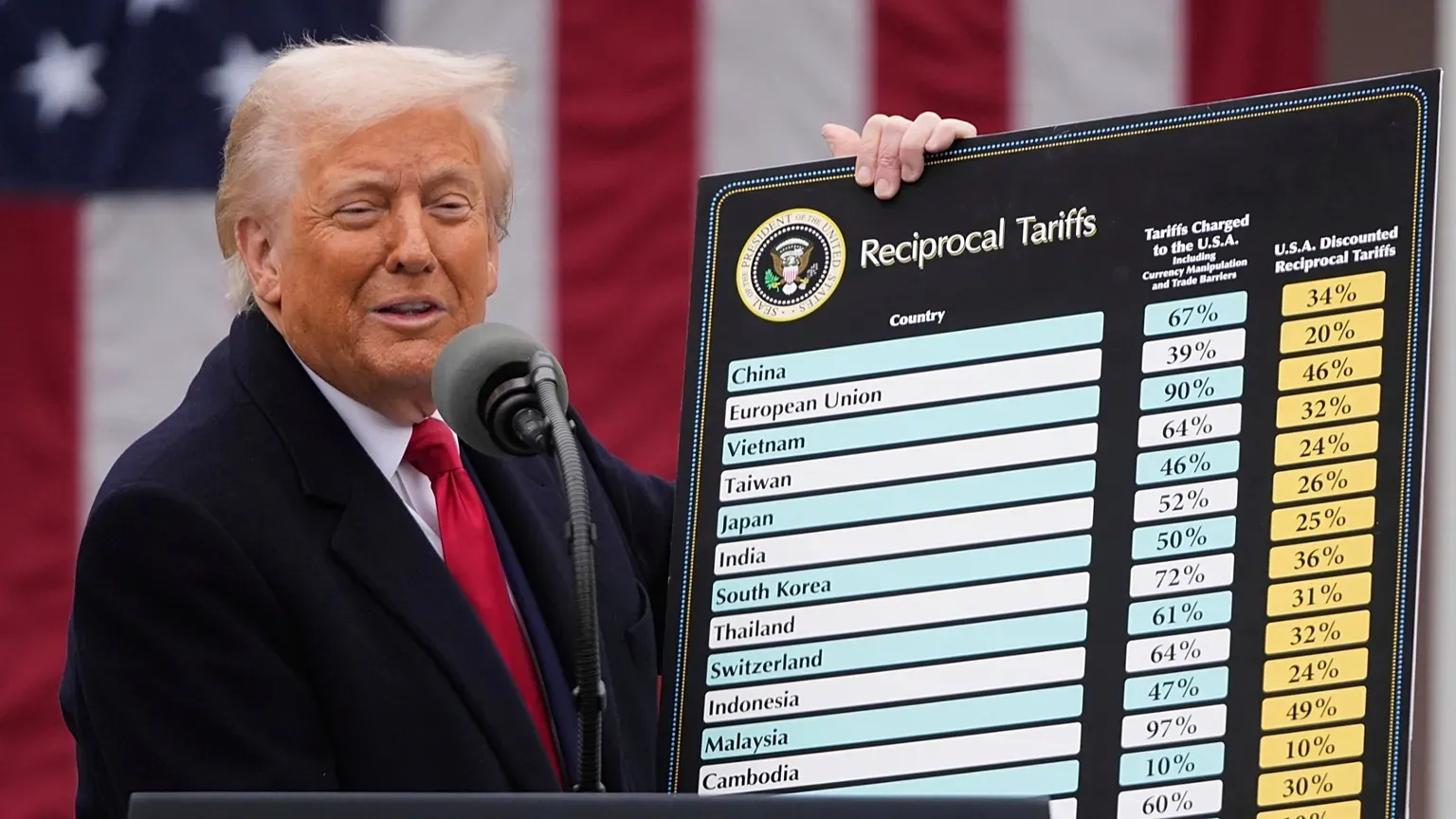
During his presidency, Trump imposed tariffs on a wide range of goods, citing national security and economic interests. The measures targeted imports from countries including China and were framed as efforts to rebalance trade relationships and protect American manufacturing.
Supporters argue the tariffs strengthened negotiating leverage and boosted domestic production. Critics contend they raised prices for U.S. consumers and disrupted supply chains.
Business groups challenging the policy argue the tariffs functioned as a broad tax without congressional consent.
The Constitutional Question
At the heart of the case is the balance of power between Congress and the president.
The Constitution grants Congress authority over trade and taxation. However, over decades, lawmakers have passed statutes delegating limited authority to the executive branch in matters of trade and national emergency.
The justices questioned whether those delegations were too broad and whether courts should impose limits when Congress has not clearly defined them.
A ruling narrowing presidential trade authority could constrain future administrations, regardless of party.
Economic Implications
If the Court invalidates or limits the tariff authority used, it could affect ongoing trade measures and future negotiations.
Manufacturers, retailers, and international trade partners are closely watching the case. Some industries argue a reversal would bring price relief and stability. Others warn it could weaken U.S. leverage in trade disputes.
The Court is expected to issue a ruling later this term