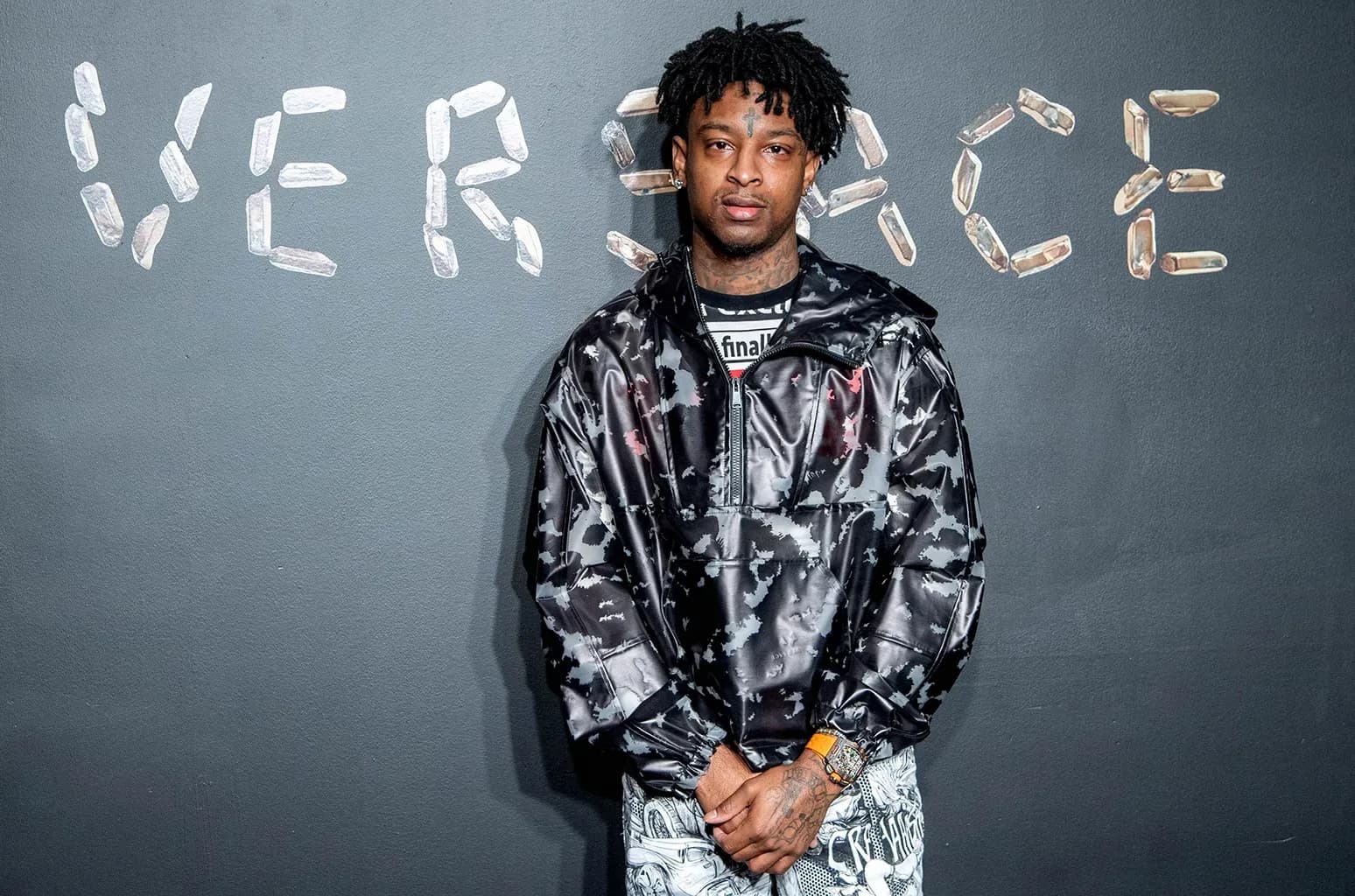
Hip-hop has always sampled more than sound. It samples history, memory, and unresolved tension. That reality came sharply into focus after fans clocked an R. Kelly-associated sample in a new release from 21 Savage, sparking an argument that extends far beyond production credits.
The backlash was swift and familiar. Some listeners framed the choice as tone-deaf, arguing that any sonic association with Kelly feels incompatible with an era increasingly shaped by survivor-centered accountability. Others pushed back, insisting that sampling does not equal endorsement and warning against flattening art into moral absolutism.
This tension exposes a fault line that hip-hop has yet to fully reconcile. The genre is built on remixing the past—sometimes without permission, often without consensus. But what happens when the past carries harm that still feels unresolved?
For older listeners, R. Kelly’s catalog is embedded in the soundtrack of Black life—slow jams at family cookouts, songs that scored first loves and heartbreaks. For younger audiences, his music is inseparable from the crimes that ultimately overshadowed his legacy. When 21 Savage’s track surfaced, those timelines collided.
The debate also highlights a generational shift in how accountability is performed. Today’s cultural consumers expect visible alignment between values and output. Silence, ambiguity, or technical loopholes—“it’s just a sample”—no longer satisfy an audience shaped by social media ethics and collective memory.
At the same time, hip-hop has historically resisted rigid moral policing. The genre emerged as a countercultural force, skeptical of imposed rules and protective of creative freedom. For some artists and fans, the outrage feels less like justice and more like revisionist gatekeeping.
What makes this moment significant is not whether the sample should or shouldn’t have been used. It’s that hip-hop is being asked, once again, to reckon with how it honors its lineage without reproducing its harm. There is no industry-wide consensus—only an ongoing negotiation between memory, accountability, and artistic autonomy.
In that sense, the 21 Savage controversy isn’t an outlier. It’s a mirror. One reflecting a culture still deciding how to carry its past while trying, imperfectly, to move forward.