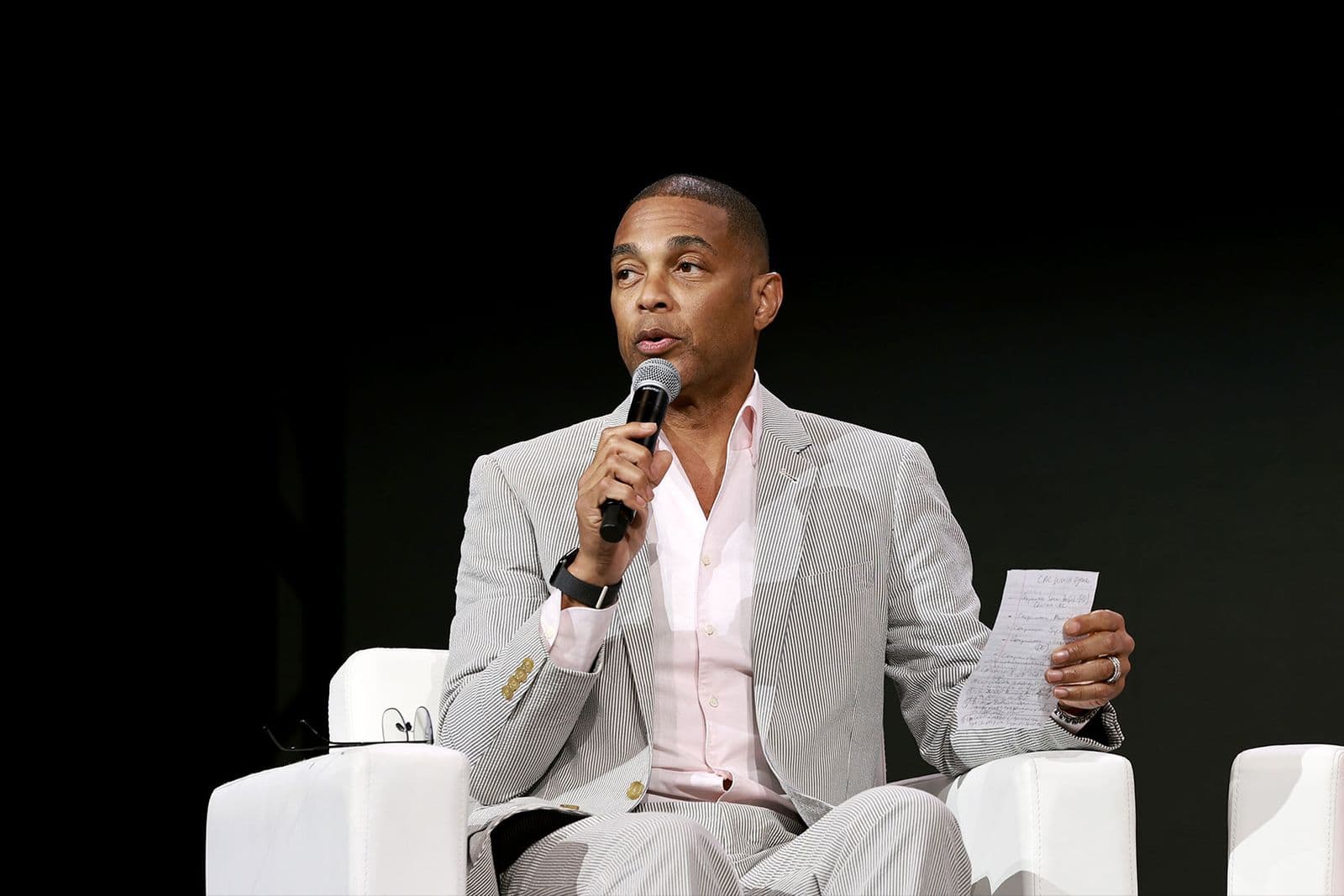
A federal magistrate judge has rejected an effort by the U.S. Department of Justice to charge journalist Don Lemonin connection with a protest that disrupted a church service in St. Paul, Minnesota, the latest development in a case that has drawn national attention and political debate.
The protest at Cities Church targeted a pastor reportedly affiliated with U.S. Immigration and Customs Enforcement (ICE), with demonstrators chanting against immigration enforcement policies and demanding accountability after the fatal shooting of Renée Good by an ICE agent earlier this month.
Federal prosecutors had sought to bring a criminal complaint against Lemon, a former CNN anchor who livestreamed and documented the demonstration, but the magistrate judge declined to sign the DOJ’s proposed charge, a step required to formally move forward with prosecution. Legal experts say such a refusal — especially in a high-profile case — is unusual and suggests the judge found the evidence insufficient to justify the charge at this stage.
Attorney General Pam Bondi, who has personally traveled to Minnesota as part of the Justice Department’s response to the protests, expressed frustration with the decision, emphasizing a federal commitment to protecting houses of worship from disruption. The DOJ has continued to pursue other leads in the case.
Arrests in Connection With the Protest
While Lemon will not face federal charges at this time, three activists have been arrested in connection with the church disruption:
They were taken into custody under laws designed to protect access to places of worship, including the Freedom of Access to Clinic Entrances (FACE) Act, which prosecutors have said applies to protests that interfere with religious services.
Federal authorities say the arrests reflect their enforcement priorities amid rising tensions around immigration policy and protest activity — particularly following the fatal shooting that galvanized anti-ICE demonstrators across Minnesota.
Journalist’s Role and Response
Lemon — now an independent journalist — has defended his presence at the protest, saying he was there to document and report on events as they unfolded. He has denied organizing the protest or participating in the disruption itself, and his attorney has characterized any attempt to prosecute him as a threat to press freedom.
Legal analysts note that journalists covering controversial or politically charged events may be protected by the First Amendment, though prosecutors can seek charges in limited circumstances if they argue the individual went beyond reporting to actively participate in wrongdoing.
Broader Context
The Minnesota protest and subsequent legal actions come amid national debate over immigration enforcement, civil liberties and the role of the federal government in policing protests. Critics of the DOJ’s approach argue that prosecuting reporters for being present at demonstrations could chill press coverage, while supporters of the arrests emphasize enforcement of laws designed to safeguard worship services and public order.
The Justice Department has not ruled out seeking charges through a grand jury or other means in future proceedings, but for now, the magistrate judge’s decision bars the immediate prosecution of Lemon on the complaint that was presented.