CBS Cuts Colbert’s Political Interview – Drama in Prime Time
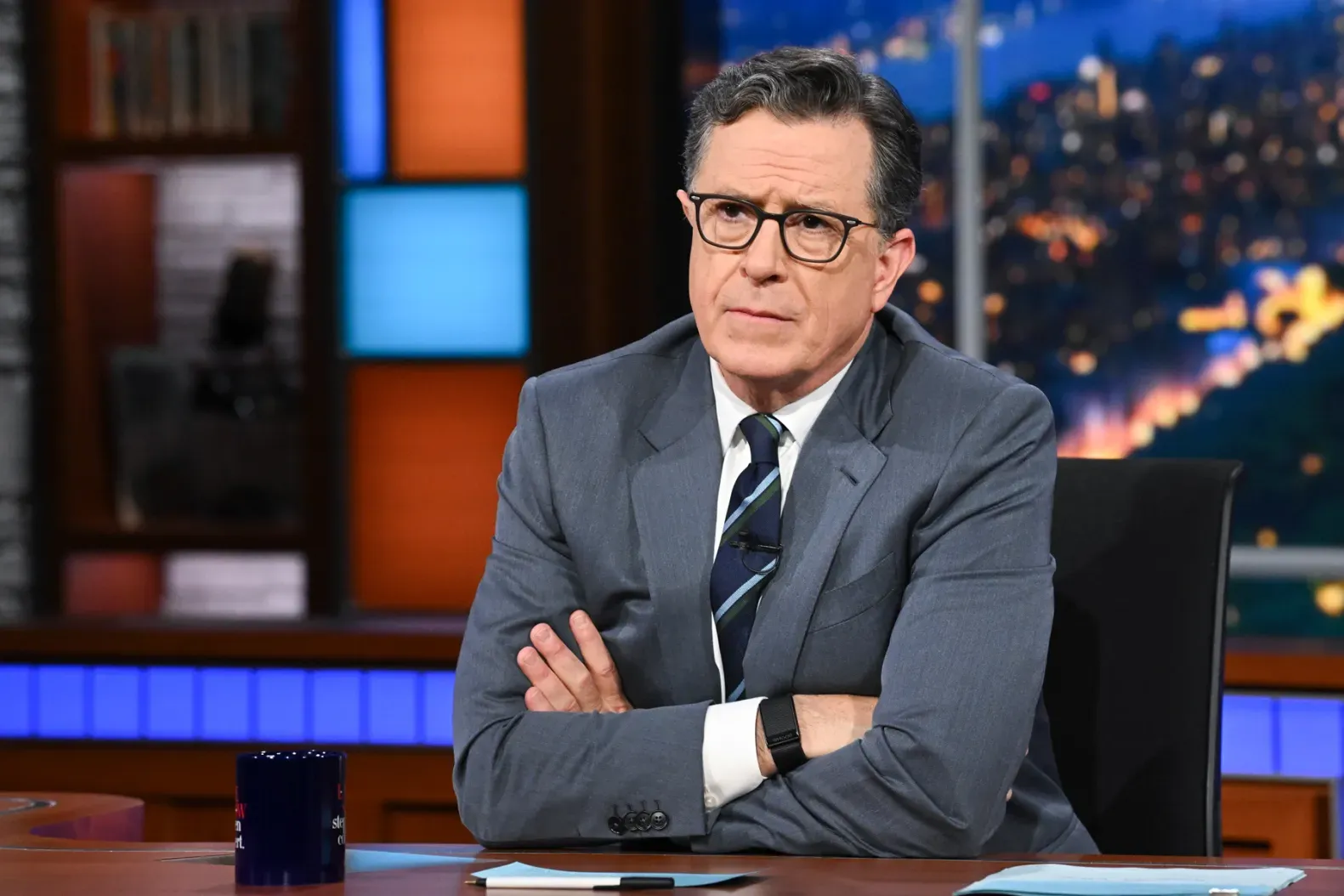
It happened fast and furious. Stephen Colbert, television’s unapologetic late-night rebel, scheduled what seemed like a straightforward interview with Texas State Representative James Talarico—someone known for speaking truth to power. But CBS blinked and pulled the plug. The official claim? The “equal time rule” from the FCC meant the network had to halt the interview to avoid favoritism. The question lingering in every viewer’s mind: Favoritism for who—and censorship for what?
Let me paint you the scene: Colbert, master of mixing comedy with critical political commentary, geared up for a segment that would push boundaries. Instead, the network scuttled the plan. Audiences were left wondering if political discourse is becoming collateral damage to arcane regulations wielded to maintain the status quo.
An Old Law in a New Media World
The FCC’s equal time rule dates back to the Communications Act of 1934. an era when radio was king and political communication was tightly controlled. The mandate was simple: broadcasters had to provide equal opportunity to political candidates if one was given air time. Sounds fair on paper, right?
But here’s the kicker, there are exceptions for bona fide news interviews and journalistic programs, which allows hosts like Colbert room to challenge power dynamically. Or at least, that’s the ideal.
The finicky application of the equal time rule in a post-cable, post-streaming world smacks of regulatory confusion and selective enforcement. When satire, political commentary, and “infotainment” blur lines, networks panic and wield the rule as a sword of silence. That’s not fairness. That’s fear.
Colbert’s Response
Colbert didn’t back down. On air, with trademark wit and relentless candor, he ripped into CBS for coughing to the FCC’s pressure like a scared kid in the back of the classroom. “Are we supposed to be afraid to talk politics because some old broadcast rule says so? That’s not news. That’s censorship disguised as compliance!”
He dared the network and regulators alike: Stop weaponizing laws to shut down voices that challenge power. If you want democracy, you open the mic. You don’t snatch it away.
And he was clear, this is bigger than his show or CBS. It’s about preserving a vibrant public sphere where ideas, debates, and political forces collide on equal footing.
What This Fight Means for Media, Democracy, and You
As media conglomerates consolidate power, as digital platforms rise and fall, and as our political landscape shifts, laws written in the analog age threaten to muzzle a whole generation of political satire and dissent. Not knowing where news ends and entertainment begins gives networks an excuse to pull the plug on tough discourse while elected officials watch complacently.
Ask yourself, are you ready to let rules drafted decades ago decide what political voice you can hear? Are you ready to accept censorship cloaked as “broadcast fairness”?
This moment demands engagement. Stand with voices that dare to challenge the system because without them, democracy dims.