
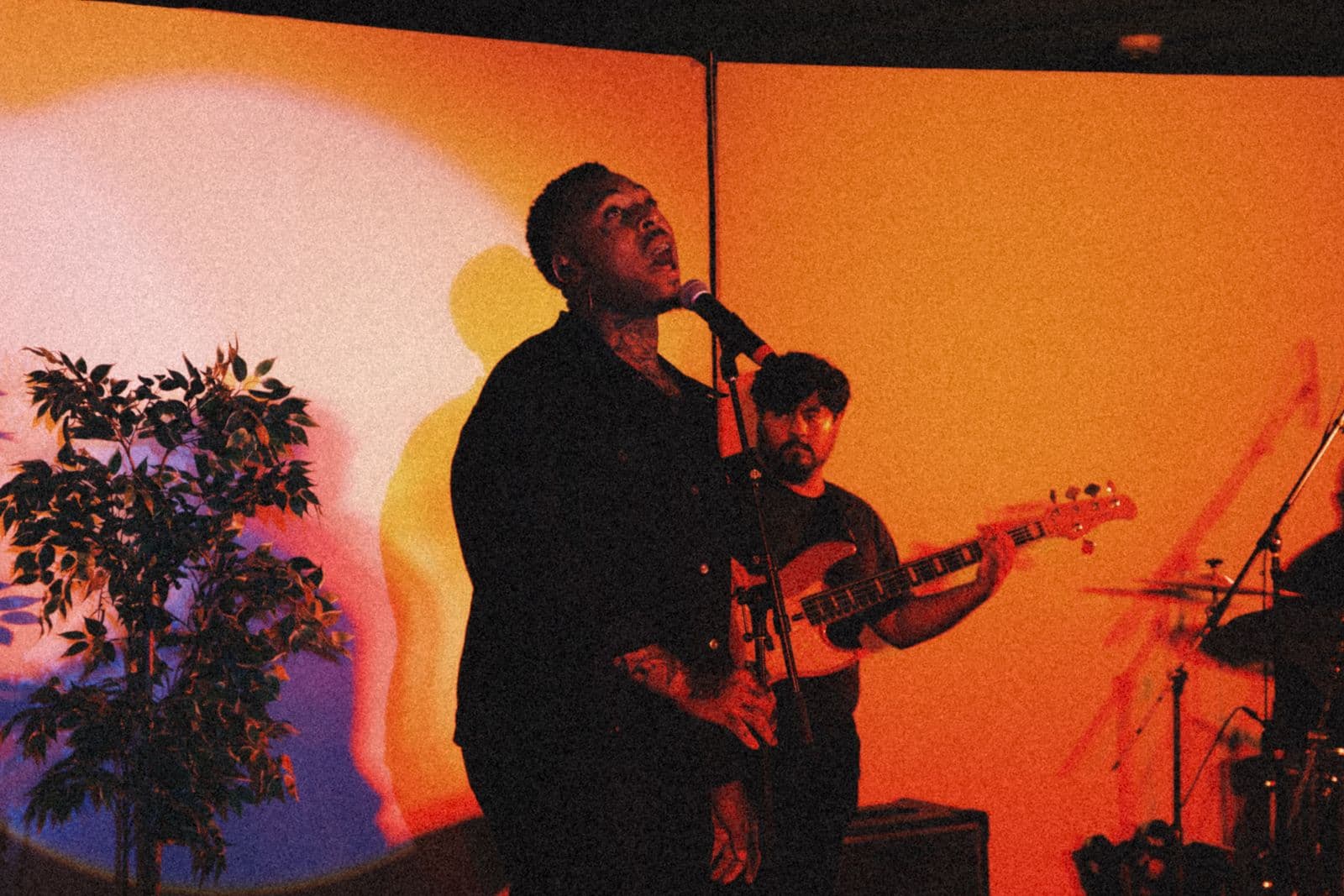
Singer-songwriter Obii has spent years learning that finding your voice is about more than discovering how you sound.
It is about discovering who you are.
In a revealing conversation on Indie Uncensored, Obii reflected on his journey from a young music lover inspired by the power of performance to an artist using creativity as a pathway toward healing, self-understanding and purpose.
His story moves beyond the traditional pursuit of success. It explores what happens when an artist stops chasing perfection and starts embracing authenticity.
The Moment Music Became a Calling
Before music became a career path, it was a feeling.
Obii remembers attending his first concert as a child and witnessing something that stayed with him long after the performance ended. It was not only the musicians on stage that captured his attention — it was the reaction from the audience.
The connection. The happiness. The shared energy.
“I don’t know what this is, but this feels good,” Obii remembered thinking. “And I want to do something like that.”
That moment became the foundation for his creative purpose. He was not simply drawn to singing. He was drawn to the ability music had to change how people felt.
A Sound Built From Many Worlds
Growing up between Italian and Nigerian cultural influences gave Obii a wide musical foundation.
Inside his home, different generations and traditions existed side by side. His mother introduced him to vocal giants like Whitney Houston and Mariah Carey, while his father exposed him to the soul and emotion of music from previous decades.
Those influences shaped how Obii understood artistry.
“The sound for me was the vocals,” he said.
For him, a powerful voice was never just about range. It was about storytelling.
Learning to Become Expressive Instead of Impressive
Like many gifted singers, Obii’s early focus was proving what he could do.
The notes. The technique. The control.
But as he matured, he realized that impressive performances were not always the ones people remembered.
Artists such as Nina Simone and Billie Holiday helped reshape his perspective. Their power came not from perfection but from honesty.
“I want to convey an emotion,” Obii said. “Feel an emotion, send that emotion to the public, they feel it, they send it back to you.”
That exchange became the center of his artistry.
The goal was no longer simply to be heard.
It was to be felt.
Obii on Indie Uncensored
Obii on Indie Uncensored
Redefining Success and Expectations
Growing up with big dreams often comes with specific expectations of what success should look like.
For Obii, maturity brought a new understanding.
“My younger self would be like, what? You’re not singing next to Beyoncé right now?” he joked.
But with time came perspective.
The journey was not about comparing reality to childhood imagination. It became about understanding purpose, accepting growth and allowing life to unfold differently than expected.
Music, Healing and Finding Himself Again
Obii describes his relationship with music as complicated.
At different points, the same passion that brought him joy also brought pressure. Music carried emotional highs and lows, forcing him to examine how creativity connected with his identity.
Through therapy, sobriety and personal reflection, he started building a healthier relationship with himself and his art.
“Music definitely has played a part in that healing,” he said.
Songs like “Easy” became reflections of that process — pieces of work that needed time, honesty and life experience before they were ready.
For Obii, songwriting became less about creating a product and more about telling the truth.
Honoring History Through Song
Obii also discussed his relationship with meaningful works such as “Strange Fruit,” a song connected to generations of pain, resistance and reflection.
Approaching material with that level of history requires responsibility.
For him, music is not only entertainment. It is memory. It is conversation. It is a way of carrying stories forward.
Building a Purpose Beyond Music
Today, Obii is expanding his impact beyond performance.
While continuing his artistic journey, he is pursuing a PhD in social work with a focus on mental health and substance abuse within the African diaspora.
The decision reflects his belief that people are not limited to one identity.
Artist.
Advocate.
Student.
Storyteller.
All of those pieces can exist together.
“When something is more than a job or more than a calling, it never feels like you’re working,” Obii said.
obii - easy (live at bruno’s)
Obii | Easy
The Journey Continues
Obii’s story challenges the idea that artists must constantly chase the next moment.
Sometimes the greatest evolution happens away from the spotlight.
Through music, education and personal growth, he continues building a life centered around honesty and impact.
His message to emerging artists is simple: remain authentic, stay resilient and allow yourself room to grow.
Because the strongest voice an artist can discover is their own.